


Capturing Wildlife Through The Lens


Wake Forest, NC and the surrounding Triangle area offer a surprisingly rich environment for bird photography. With a mix of lakes, forests, wetlands, and suburban greenways, photographers can capture everything from colorful songbirds to powerful raptors—all within a short drive.
The Wake Forest area sits within North Carolina’s Piedmont region, offering a diverse mix of habitats—open water, hardwood forests, and transitional fields. This diversity attracts a wide range of species year-round.

Best Times for Bird Photography
Timing can make or break your shoot.
Spring (March–May):
Peak migration season
Warblers, vireos, and colorful species arrive
Summer (June–August):
Nesting behavior (great for storytelling shots)
Raptors and water birds are active
Fall (September–October):
Shorebirds and migrating flocks
Cooler light and less foliage
Winter (November–February):
Waterfowl and ducks
Easier visibility through bare trees
Fall migration at lakes like Falls Lake can be especially productive, with exposed mudflats attracting a variety of shorebirds.


Best Times to Shoot
Golden Hour (Sunrise & Sunset):
Soft, warm light
Most animal activity
After Rain:
Amphibians become active
Unique textures and reflections
Lush vegetation
Seasonal Highlights:
Spring: Baby animals, nesting birds
Summer: Reptiles, active mornings
Fall: Migration, dramatic light
Winter: Easier visibility, waterfowl

Camera Settings That Work in the Field
Wildlife is unpredictable, so your settings need to be ready.
Baseline settings:
Shutter speed: 1/1000+ (faster for birds in flight)
Aperture: f/5.6–f/8 for subject isolation
ISO: Auto ISO with a max you’re comfortable with. I typically don't go higher than ISO 5000
Focus setup:
Continuous autofocus (AF-C)
Subject tracking (especially for birds)
Back-button focus for control


My Equipment
For birds in flight and long distance subjects I use a Nikon Z6II as it has a fast autofocus tracking system paired with a Sigma 150-600mm lens.

This is primary camera setup when specifically searching for birds. My secondary camera setup is a Nikon D850 paired with a Nikkor 28-300mm lens.

This is for landscapes and close up shots of flowers, vegitation, etc. The 45 MP sensor allows me to crop in for composition adjustment and fine details.

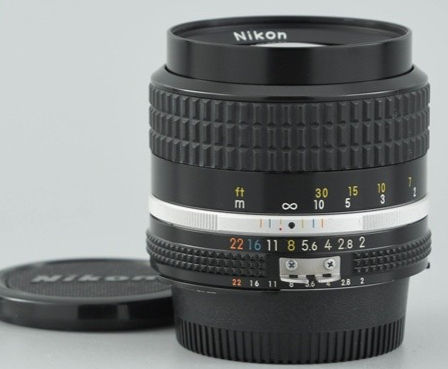
I also enjoy shooting film with a Nikon F2 and Nikkor 85mm.

Fieldcraft: The Real Secret to Great Wildlife Photos
Gear matters—but behavior matters more.
1. Move Slowly: Sudden movements scare animals. Slow, deliberate motion keeps you unnoticed.
2. Watch Before Shooting: Spend time observing patterns—where animals land, feed, or travel.
3. Use Natural Cover: Trees, bushes, and terrain help you stay hidden.
4. Respect Distance: If the animal changes behavior because of you, you’re too close.

Visit my photo gallery: https://thetravelingstudio.shootproof.com/gallery/23225778
Thanks for checking out my blog!

Bass Hippy Merch: https://www.basshippy.com/category/all-products


Comments